Sunday, July 20, 2008

The History of Latin Music

Explores Latin music, examining its roots and styles, describing the rise in popularity of Latin music in the 1970s, and looking at the link between music and politics in South America.
Title: The History of Latin Music
Author: Kallen, Stuart A.
Publisher: Lucent Books
Publication Date: 2006/09/22
Number of Pages: 104
Binding Type: LIBRARY
Library of Congress: 2006004676


The system of Indian classical music known as Raga Sangeet can be traced back nearly two thousand years to its origin in the Vedic hymns of the Hindu temples. Unlike Western classical music which has written scores, an Indian classical performance is based on improvisation, and anywhere from 10% to 90% of the performance could be extempore, depending on the creative imagination of the artist. The music is rendered orally to the disciple by his guru, popularly known as guru-shishya (teacher-student) parampara (tradition).

The very heart of Indian music is the raga, the melodic form upon which the artist improvises his performance. A raga is a scientific, precise, subtle and aesthetic melodic form with its own ascending and descending movement consisting of either a full seven-note octave or a series of six or five notes.

Every raga is characterized by its own particular mood. The acknowledged order of these nine sentiments, or emotions, is as follows: romantic and erotic, humorous, pathetic, anger, heroic, fearful, disgust, amazement and peaceful. Each raga, in addition to being associated with a particular mood, is also closely connected to a particular time of day or a season of the year. Thus through the rich melodies and rhythm of Indian music, every human emotion, every subtle feeling in man and nature, can be musically expressed and experienced.

In terms of aesthetics, a raga is the projection of the artist's inner spirit: a manifestation of his most profound feelings and sensibilities. The musician breathes life into each raga as he unfolds and expands it so that each note shimmers and pulsates with life and the raga is revealed vibrant and incandescent with beauty.

The tala, or rhythmic cycle of a raga, plays an equally important role in expressing the mood. There is a unique relationship between melody and rhythm. The intricacies depict the complexities and sophistication with which they are woven together. The division in a taal and the stress on the first beat, called sum, are the most important feature. The most exciting moment for a seasoned listener is when both the musicians, after their individual improvisations, come back together on the sum.

Today, Indian classical music is a permanent part of Western culture. Many composers and musicians have been influenced by our music. The openness, will to learn, and sincere enthusiasm of Western audiences are a continuing source of inspiration and delight. Indian music is one of the highest forms of music existing and nourished through its rich cultural heritage.

Shilpa Rao is a professional Indian Classical Music artist. Learn basics of Indian Classical Music system at http://www.articlestonurture.com/Category/Music/109

latin music festival
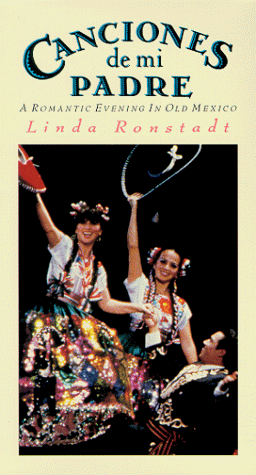
Canciones De Mi Padre: A Romatic Evening In Old Mexico

Customer Review: conciones de mi padre
Love this DVD.I have 3 copies,2 in DVD, 1 in vhs. I also have all her Spanish CD's. She has such a beautiful voice.
Customer Review: I love it
I was really young when this came out, but I adored it. My father bought the soundtrack, and I watched it everytime it came on WTTW. My mom made a costume for me that was practically identical to the one Linda Ronstadt wore during "Y Andale." It made me want to learn more about my culture. I still love this concert, and now my son watches it with me.


There are many different dance styles and these styles can differ depending on the region. The main styles that people learn to dance and the most recognized styles are Jive, Waltz, Samba, Tango, Cha-cha, Salsa, Foxtrot and Rumba.

So what are these different styles? Well lets break them down.

JIVE - The Jive originated among African-Americans in the early 1940s. It is a variation of a less known style called the Jitterbug.
Jive is part of the five International Latin dances. Done correctly it is normally danced at 176 beats per minute. Due to this tempo it is known as very fast swing music.

WALTZ - When the Waltz was first introduced it shocked many. Around the 1980s the Waltz became fashionable in Vienna. The waltz, and especially its closed position, became the example for the creation of many other ballroom dances. Subsequently, new types of waltz have developed, including many folk and several ballroom dances.
It is normally danced at 84 - 90 beats per minute and normally to a Slow ballad or instrumental music in 3/4 time.

SAMBA - This dance appeared around the 20th century in Rio De Janeirio. It is one of the most popular styles in America. At 100 beats per minute this is a fast tempo dance normally with medium tempo Brazilian Latin music with a strong downbeat.

TANGO - Developed in the late 19th Century it was first seen in Argentina but as they did with many other dances, the Europeans (most notably the English) adopted the Tango and made it their own. The Tango was the result, with big movements, dramatic gestures, and quick snaps of the head from one position to another. Danced to 128 - 132 beats per minute and with Medium tempo orchestral, often march-like this style is not for the faint hearted. This can be a fun dance to learn.

Cha-Cha - The cha-cha-cha is a Latin American dance of Cuban origin. At 128 beats per minute and medium tempo Latin music. This is one hot dance to learn.

SALSA - This is a fusion of informal dance styles. Developed in the Caribbean but also in Latin America. There is a strong African influence in the music and the dance.
Salsa is usually a partner dance, although there are recognized solo steps and some forms are danced in groups of couples, with frequent exchanges of partner. This is a great dance to learn since you can learn solo.

FOXTROT - Invented by a man called Harry Fox in 1913 it ultimately became the most popular and lasting dance of the twentieth century. Foxtrot is a smooth progressive dance characterized by long, continuous flowing movements across the dance floor. With 112 - 120 beats per minute it has a basic rhythm of Slow-Quick-Quick.

RUMBA - This is a dance organically related the genre o Afro Cuban music. Throughout the history one may trace several styles of dances called "rumba".
Some consider rumba the most erotic and sensual dance, for its relatively slow rhythm and the hip movement. Learning this dance can become a steamy affair.

You may now have an idea about which dance style you may want to learn. Maybe you want to learn them all. So how do you start?

The usual method is to find a local class in your area but this could provide a stumbling block. I know when I started to learn I had to travel far to my lessons. You could go to your local library and get several books on your chosen style but this is not the best idea. You will have learn the theory but without professional advice visually how will you spot your mistakes. The recommended option if you cannot make a dance class is to get a DVD course. This option is fantastic due to the fact you can dance whenever you feel like it. You will be able to see if you are making that tango step correct.

There are many DVD courses out there for dancing but I have got you free videos for all the styles mentioned above. These can be found from the link below.
I hope I have helped you with this article and look forward to hearing from you.

Get your FREE dance lesson videos here http://thedogsbloggers.info/learntodancevideos

dance music charts

Coldplay - Rare Vintage GIANT Group Poster (Approx. 55'' x 40'')

FREE Penny Lane Gifts magnet with every poster purchase!This Coldplay vintage group giant poster is approx. 50'' x 40''


Paris is recognized as one of the most romantic cities in the world and yet it is appreciated for it's cultural sophistication as well. It is a great city to visit if you truly love the arts. Many people believe the ballet and opera actually began in Paris. If you enjoy ballet and opera than a visit to Paris without attending the opera or ballet is regrettable.

Ballet is a formalized form of dance with its origins in the Italian Renaissance court of the 15th century. One can consider that the real beginning of the Paris Opera Ballet occured in 1661. Ballet developed further in the French court from the time of Louis XIV in the 17th century hence the term ballet which is from the French vocabulary.

Ballet de l'Opera National de Paris is rated one of the best dance companies in the world; it outdoes itself in both the classics and avant-garde, staged in the same aspect of Opera.
It is universally agreed that the ballet in Paris is truly one of a kind. The performers are recognized worldwide.

The Opera is a spectacular theatrical concert featuring singers who spend several hours practicing and performing. Many in the audience leave in awe wondering how these opera singers can sing the way that they do. Their costumes and the way they perform almost take you into another place or time.

In 1989, the Bicentennial of the French Revolution was marked by the inauguration of the Opera Bastille, a 2700-seat auditorium acoustics and stage vision of its are unrivaled so to get a seat you need to reserve months in advance. The productions are both popular and critically acclaimed. The site's multi-functional performance space also hosts various concert and dance programs. Place de la Bastille, 75012 Paris. Metro: Bastille

The sumptuous and prestigious Paris Opera building, designed by Charles Garnier in 1861 and completed in 1875, is one of the largest theatre venues in the world The Opera Garnier stage is 118,404 square feet, accommodate 450 players.The tale for the classic horror movie, The Phantom of the Opera, was in the Opera Garnier.

For an entry fee, you can stroll around the interior at your leisure (except occasionally during rehearsals). Since the opening of the Opra Bastille, the Opera Garnier has devoted its repertoire exclusively to ballet. Though its productions are internationally renowned for their quality, they tend to remain on the traditional side of contemporary dance. The Ballet de l'Opera de Paris and the Opera National de Paris schedule some performances here and some at the Opera de la Bastille. In both venues, reduced ticket prices may be available at the box office 15 minutes before performance time for students and people under 25 or over 65. Place de l'Opera, 75009 Paris. Metro: Opera. RER: Auber.

Thtre Musical de Paris (Theatre du Chatelet) lies between the Pont au Change (which crosses to the Ile de la Cite) and the boulevard de Sebastopol. These theatres were built by Davioud in 1862, and each now leads a separate and even rival existence. The Chatelet concentrates mainly on opera and classical music, with occasional ballet, and usually has a rich program of international performers. (It recently acquired an annex in Les Halles, the Auditorium, where more unusual or obscure music is performed.) The other theatre, previously named the Sarah Bernhardt and now known as the Theatre de la Ville, offers top names in contemporary dance, innovative French theatre, and evening concerts of jazz or world music.

Before the Bastille Opera opened, and with the Garnier's transition to an all-dance programme, the TMP was the only Parisian venue offering a complete programme of high-quality opera. Despite the arrival of such a massive rival, the TMP has continued its ambitious schedule of progressive, well-made productions. Address: 1, place du Chatelet, 75001 Paris; phone: 01-40-28-28-98; fax: 01-42-36-89-75; Metro/RER: Chatelet.

Some countries offer scholarships to Paris for those they feel are good enough in the art of ballet or opera, and it's no wonder why. With every talented ballet student or opera singer that comes out of Paris, more of the world has the opportunity to enjoy a piece of Paris.

So, after seeing the sites during the day, and you like the ballet or the opera they usually perform at night and this would be a great thing to do to end a great day.

Rita Borges, Lifestyle Paris Expert and Managing Director for Paris Luxe Apartments http://www.parisluxeapt.com

dj latin music

" Coldplay " X & Y: It's Easy To Play (It's Easy to Play)


Singing lessons are very useful for those of us who love to sing and would like to improve our vocal technique as well as our overall pitch and rhythm sense. However, some singing students may be a little overwhelmed whenever they attend lessons, and may not know how to best make use of the time that they have with their vocal coach or singing instructor!

Here are some important tips for all singing students, so that you will be able to make the most out of your singing lessons, and be able to improve quickly in your singing and vocal technique:

Get A Good Vocal Coach

For your vocal lessons to be genuinely useful to you in developing a better singing voice, you will need an experienced vocal coach who is able to 'diagnose' your voice and know exactly what exercises you will need in order to improve your singing! For example, you may need more exercises to strengthen your chest voice, or more pitching or rhythm training, or even some basic lessons in pronunciation and diction. Your vocal coach should be able to tell you what you need, and be able to communicate these ideas to your clearly!

Always Come Prepared For Lessons

Every singing lesson is an opportunity for you to talk to an expert in singing and to learn as much as you can from your vocal coach! So, always come prepared with questions that you may have had during the past week or are genuinely curious about. This will show your vocal coach that you are motivated about learning how to sing, and he or she will be more inclined to teach you even more! Your instructor will also be able to understand better what are your main concerns and how best to answer them so that you will be able to improve even more!

Practice, Practice and More Practice

Make sure you practice whatever vocal drills or pitching exercises that your singing instructor has given you during the singing lessons. Learning how to sing is just like learning how to play any musical instrument, and as with any instrument, practice is absolutely essential if we want to improve in our playing or singing skills! Also, pay attention to how you practiced during your lesson with your vocal instructor so that when you practice at home, you know how to do it correctly and certainly not inadvertently harm your voice during your self-practice!

Be Patient

Learning how to sing well takes some time and effort, and certainly does not happen overnight. Just like how it takes a piano player many years before he or she is able to be great at playing the piano, so it will also take us a certain period of time before we are able to master our singing voice! Even professional singers take regular singing lessons to keep their voices in top form, and to keep improving in their vocal technique!

One reason for a longer learning curve is because our voice learns through what we call 'muscle memory'. Many of the functions of our vocal cords and voice box are involuntary reflexes that we cannot control consciously. In order for us to correct our singing habits, we need to practice positive reinforcement through muscle memory, using the correct singing methods often so that our voice and our brain remembers them and uses them each time we sing!

Enjoy The Learning Process

One great thing about singing is that it is fun and enjoyable even during proper lessons, and we would certainly be able to enjoy the learning process that we must go through in order to get a better singing voice! Once we accept the long learning process, we will certainly be more relaxed during our lessons and be able to improve our voice even more! It is a virtuous cycle that singing students will be able to benefit from with the correct mindset and attitude.

With these important pointers in mind each time we attend our singing lessons, we will certainly be able to get the most out of our lessons and achieve a great singing voice through practice and patience!

Singapore-born Aaron Lim has been a Vocal Coach for the past 8 years, and has taught a variety of vocal students ranging from teenagers to mature adults. He is the founder of an online singing guide: http://www.your-personal-singing-guide.com , which provides a wealth of resources and tips available for any singer! Find out everything you want to learn about singing from this useful and comprehensive website!

Aaron is also the director of Intune Music School, a dynamic and vibrant music school in Singapore that provides professional music programmes in singing, songwriting, keyboard and guitar sing and play, music arrangement and audio engineering! Find out more by visiting the school website at: http://www.intunemusic.com.sg

top dance music

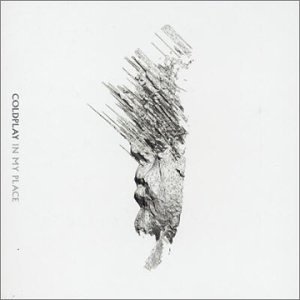
In My Place

The First Single from their Second Album 'a Rush of Blood to the Head', Produced by Ken Nelson. Chris Martin Admits to Listening Intently to the Cure and Echo and the Bunnymen, Even Striking Up a Friendship with Ian Mccullough, So Expect Some Influence to Pervade.
Customer Review: just great!
Obviously "In My Place" is an awesome song as is all of "A Rush of Blood to the Head". Loving Coldplay as much as I do, I decided to pick up this single so that I could hear 2 more songs from this amazing band. "One I Love" is a good song, slightly more upbeat/rockin' than the usual Coldplay songs. And "I Bloom Blaum" is just an incredible(but unfortunately pretty short) song that any true Coldplay fan would love. I also own the single for "Scientist" with the songs "1:36" and "I Ran Away" on it and I have to say if you are debating between these two CD's, pick this on up instead. Enjoy!
Customer Review: Another great song to add to the collection
When i first heard this song..i imediatley liked it. chris martin has such an amazing and unique voice. i loved the words in this song and i was so happy that coldplay had come out with another (great) cd. this song has so much meaning that most people can relate to it in some way. A great song and many more great songs on the newest cd as well as the others.


The difference between the Basic, the Intermediate and the Advanced levels of dancing proficiency are defined by more than just their core curriculums. In the aviation world, for example, it is the difference between driving an airplane and flying one! A basic pilot can fly straight and level, climb, descend, and turn. An intermediate pilot can combine these basic "stick and rudder" airwork fundamentals with good airspeed control and make acceptable take offs and landings; however, only an advanced pilot can take full advantage of his airplane's capabilities by being able to fly it safely to the edge of its performance curve. Switching our focus now from the cockpit back to the dance floor, let's put the Basic, Intermediate and Advanced levels of swing dancing into their proper perspective by looking at them within the context of the four stages of awareness in the process of learning to dance.

1) UNCONSCIOUS INCOMPETENCE: At this first stage of awareness, a dancer has never given the subject of swing dancing any conscious thought. He has never been formally introduced to it and, although he may be quite adept at other styles of dancing like freestyle or Country and Western, for example, until he takes his first Basic level swing dance class, he is really at a stage of unawareness because he is simply unconscious of his incompetence.

2) CONSCIOUS INCOMPETENCE: At this second stage of awareness, the new male dancer or "leader," has been formally introduced to swing dancing at his club and he now fully appreciates its social and recreational potential. He has taken several Basic level classes but he realizes that his performance is marginal at best and that he needs to take many more swing dance classes and workshops to sharpen his skills. He is grateful for any helpful tips that might improve his dancing; for example, he may determine his lead hand by looking to see which thumb and forefinger form the letter "L." This is the awkward stage for the new swing dancer. His hand-leads are generally too strong and his body movements tend to be too stiff and mechanical to suit all but the least experienced of his female partners or "followers." At this point in his training, he is more prone to be repeatedly answering the question: "how long have you been dancing" rather than "where do you dance." All in all, the conscious incompetent clings to his patty-cake, the think-step pattern like a new western horseback rider clings to his saddle horn.

3) CONSCIOUS COMPETENCE: At this third stage of awareness, the male dancer has completed all of the Basic and Intermediate level classes offered by his club, and he is now an accomplished, well rehearsed dancer. He almost always executes his triple step footwork flawlessly in every direction to varying tempos of the music; he seldom misses that important "3 and 4" count of his footwork that often eludes less experienced dancers, and he has developed a gentle yet firm lead that guarantees him a willing partner for every dance. All in all, he has developed into a smooth dancer who confidently performs the different swing patterns that he has learned over the years. The conscious competent leader knows what he is doing!

4) UNCONSCIOUS COMPETENCE: At this final, fourth stage of awareness, the male dancer has achieved the highest level of proficiency where he has cultivated a signature style that transcends being well rehearsed; instead, he has become just as intimately familiar with each inherent part of the patterns that he has learned over the years, as he is with the overall patterns themselves. As an advanced dancer, he can intuitively "mix and match" the specific handwork and footwork elements of different patterns to create new patterns, and he has the versatility to frequently intersperse steps from other dance disciplines to physically embrace the beat of the music. His extensive knowledge of the dance, combined with his fluid lead authority enables him to maneuver his partner to the edge of her capabilities so that as a couple, they are able to consistently deliver award winning performances. Simply put, the unconscious competent is the dancer that the dancers enjoy watching!

TEACHABILITY INDEX: How quickly a new dancer progresses through these four stages of competence depends upon how "teachable" he or she is! All of us may compute our own Teachability Index (TI) which is the product of the following two variables that are rated on a scale of "1" (lowest) to "10" (highest): our Willingness To Learn (WTL) and our Willingness To Change (WTC). If our willingness to learn how to "dance centered," for example, is a 10, but our willingness to change our body positioning to accomplish this goal is just a "5," then our Teachability Index is only 50% (WTL x WTC = 50)! In other words, the maximum effort that we made in class to LEARN the correct way to "dance centered" is half wasted if we are not willing to CHANGE the way we lead our partner! Always remember that both learning and change are the inseparable, twin handmaidens of dance proficiency.

Copyright 2008 by Skip Culver, Certified Swing Dance Instructor. Member of the West Count Swing Dance Club and author of the manual: Imperial Swing Dancing - visit: http://www.ImperialSwing.com

Henry H. "Skip" Culver, Jr. is a member of the West County Swing Dance Club in St. Louis Missouri. He is a Gold Seal Instrument Flight Instructor and the author of the bestselling book on navigation titled: IFR 'Pocket Simulator' Procedures that was selected as the Main Selection of the Jeppesen Aviation Book Club. In 2000 Skip turned his attention from aviation towards the dance floor. He became a Certified Swing Dance Instructor in 2004, and then with over seven years of detailed notes from various classes and workshops in hand, he began assembling the Imperial Swing Dancing manual which he published in June of 2007. Skip is a frequent contributor of articles on swing dancing to different club newsletters throughout the United States.

latin download

Coldplay 2007 Wall Calendar


What are the benefits of being able to flirt in Spanish?

Well, imagine this.

You have been in the club for hours and, so far, no one has caught your eye. You are just about to give up and go home when, suddenly, a hot Latina or Latino walks through the door.

What do you do?

While eye contact and body language may get the job done let's add a twist: Some flirty Spanish phrases.

Breaking the Ice

Flirting is all about breaking the ice. The tone of the conversation starts with the first words you say. Do something to make a unique first impression.

Starting a conversation with a flirty Spanish phrase is a unique way to break the ice. If the person you are talking to speaks Spanish, you will immediately separate yourself from all the others.

Even if the person you want to flirt with doesn't know Spanish, you will still have their attention. How often do people come up to them speaking a foreign language? They will probably ask what the phrase means, which will allow you to start a conversation either way.

Some Flirty Spanish Phrases

So, now that you know that adding some Spanish phrases to your list of flirting techniques is worthwhile, you just need to know what to say.

Here are a few flirty phrases that will work wonders.

I noticed you and wanted to find out what you were like. Te not y quera averiguar cmo eres. teh noh-tEH ee keh-rEE-ah ah-vehr-ee-gwahr kOH-moh eh-rehrs.

You are very pretty. Eres muy linda. eh-rehs mwee leen-dah.

You are very handsome. Eres muy guapo. eh-rehs mwee gwah-poh.

You have the prettiest eyes in the world. Tienes los ojos ms bonitos del mundo. tee-eh-nehs lohs oh-hohs mAHs boh-nee-tohs dehl moon-doh.

You have a lovely smile. Tienes una sonrisa hermosa. tee-eh-nehs oo-nah sohn-ree-sah ehr-moh-sah.

Practice, Practice, Practice

Once you have learned a few flirty Spanish phrases, you want to master them. Practice them until they start to become warm and natural.

First, find out the proper way to say the words, either by asking someone who knows the language to teach you, or by using a dictionary that spells out each word phonetically.

Then, practice each phrase as often as you can, until they roll off of your tongue almost as easily as saying the same things in English would.

Having the ability to flirt a little in Spanish provides you with unique opportunities when meeting people you are attracted to.

Jason Vachon is the author of Hook Up Spanish and it's weekly e-tips. He has lived in two Latin American countries and spent time in ten. Click below and get a free copy of his ebook that covers dating and romance in Spanish at http://www.hookupspanish.com/ebook/

music on so you think you can dance

CMJ Sampler


Summer festivals are the Canadian way of celebrating the season and truly enjoying the best of the glorious sunshine and all round good cheer. Across Canada, summer festivals add an air of festivity with a wide range of entertainments and exciting events.

The Fringe Festival represents the spirit of summer festivals in Canada. This is where anyone can perform and get away with appreciation. These perform or perish events grant the performers one whole minute to win the audience or retreat. Events include dance, music, comedy shows, drama, musicals, theatre and more. Audience can use the festival guide to help decide what to watch from the literally hundreds on show. Fringe Festivals can be found in cities including Toronto, Vancouver, Edmonton, Victoria, Ottawa, London and many more.

Canada's summer festivals celebrate music like none other. The Cisco Systems Bluesfest in Ottawa, Ontario is a perfect example. Anything from Cuban music to jam bands can be expected at this extremely exhilarating music fest. To add to the melee there are the side shows and the overall festival atmosphere.

Here's one for the funny bone. Canada's summer festival celebration sets great store by comedy shows. The Funnyfest Comedy Festival in Calgary, Alberta is where the good humor spreads good vibes all around. Hilarious comedy shows, stand up comics that make you double over, and plenty of laughing matter is on for about 16 nights incorporating over a hundred performers. It's a punch line a minute attack that will have you ROFL.

Montreal of course has the Just for Laughs Festival and the Giggleshots-International Comedy Short Film Festival in Toronto is the largest of its kind in the world and everything you've heard about it is true. This major event is now all set to be staged in the UK.

The Canada Dance Festival in Ottawa began in 1987 and is growing stronger by the year. It is now the primary showcase for professional dancers to strut their stuff. Get ready to witness an awesome range of performances that will have you entranced. The Toronto International Tango Festival is another venue where dancers from all over the world come to stage their passion for tango.

Folk Festivals are held as part of summer festivals in Canada in Ottawa, Calgary, Winnipeg, and Edmonton among other places. All sorts of music from all over the world including Celtic, aboriginal, country, swing, and anything else you can think of are performed with gusto, and uninterrupted for four days.

No celebration can be complete without wine and beer. Canada's summer festivals celebrate this in style at the Great Canadian Beer Festival in Victoria, BC. Contrary to conclusions one may jump to, this is not a drink all you can fest but rather an upmarket venture where the quality of the beer has to be irreproachable as does the integrity of the brewer. It's more a celebration of the craft of beer brewing and its artistic aspect. The Niagara Wine Festival is a magnet that draws visitors in their thousands to the area. It runs in a series including the Ice-wine Festival, the New Vintage Festival, and finally the Niagara Wine Festival.

Be sure to visit http://www.FlyFromCanada.com for more great tips on Canada Travel. Flying from Canada? Check out which Canada airline will take you there!

top dance music

A Rush Of Blood To The Head INTERVIEW

This CD contains 85 speech cuts, featuring all four members of Coldplay. The interview was conducted in London on May 24th 2002 by Danny O'Connor.


If you are an aspiring songwriter, musician or indie artist, then sooner or later you will come face to face with music critics. The question is, how will you respond to them?

Last Saturday night I watched a program about The Legends of Rockabilly Music. It was fun to look back in the history of rock and roll and see the pioneering artists who started it all. Carl Perkins, Roy Orbison, Johnny Cash, Elvis Presley, Buddy Holly, and Jerry Lee Lewis were among the various stars being featured.

What struck me most about these young performers was the shear determination they had to stay the course. Regardless of what the music critics said, they believed in their music and kept right on going. It wasn't always easy for them either. But that's probably the way it is for many of the famous people we admire today. We see the end result of their effort and think- wow, what a lucky break. But we often miss the hard road they had to follow in order to get to that place of recognition and respect.

Take Elvis Presley for instance. Every one of the previously mentioned "legends of rockabilly music" credited Elvis as being the one who most influenced their own style and sound. His spark ignited a wild-fire which eventually spread out and touched the Beatles, Eric Clapton, Jimi Hendrix, and many others. Most people realize that this flame continues to burn white hot and it's effect is still widely heard in much of today's popular music.

But it wasn't always smooth sailing. At the beginning of his career, Elvis Presley faced some music critics of his own. Time magazine once called him the "Hi luh-huh-huh-huv-huv yew-hew" dreamboat groaner. Back then, some critiques even contained elements of racial prejudice, calling Presley's blues influenced sound "vulgar jungle music."

During those early days Elvis was once given an opportunity to perform at the Grand Ole Opry. Even though the audience responded well to his music, an executive of the show told him later "You ain't going nowhere, son. You may as well stick to driving a truck." History proved that man dead wrong! In 2004, Rolling Stone Magazine ranked Elvis #3 on their list of the 100 Greatest Artists of All Time. So, please let this be an encouragement when you face your own music critics!

Above all, don't let the threat of criticism spoil your dreams. I heard someone say the other day that "the dream of your heart might be bigger than the environment you're in." Other people might not share your vision. They may not understand you. They may not offer any support. But don't let them hold you down. You must be willing to step out of the safe zone and believe in your musical gift. Forget what the critics say. Who are "they" anyway? Just follow your dreams and sing your heart out!

Kathy Unruh is a singer/songwriter and webmaster of ABC Learn Guitar. She has been writing songs and providing guitar lessons to students of all ages for over 20 years. For free guitar lessons, plus tips and resources on songwriting, recording and creating a music career, please visit:http://www.abclearnguitar.com

Or sign up for the ABC Learn Guitar Newsletter at: http://www.abclearnguitar.com/newsletter.html

best salsa music

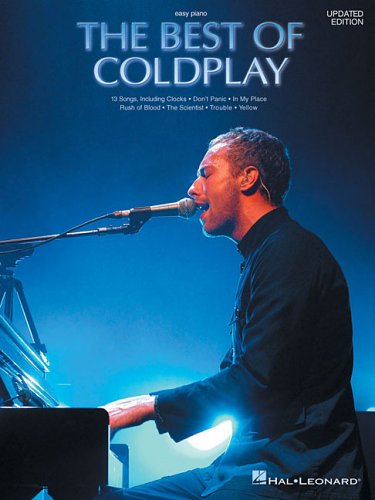
The Best of Coldplay for Easy Piano: Updated Edition

Easy piano arrangements of 12 songs from these acclaimed British pop/rockers. Includes the mammoth hits Yellow and Clocks plus: Amsterdam Don't Panic Everything's Not Lost Green Eyes In My Place Rush of Blood (A Rush of Blood to the Head) The Scientist Sparks Trouble A Warning Sign.
Customer Review: Not original arangements or really even close
I'm surprised that none of the other reviews mentioned the fact that these "arrangements" are very different from the originals. The melody (vocals) is in the right-hand treble clef and simple base notes in the left. These are not really the chords that are played by the band, and it is virtually impossible to sing along with what is written, unless you like singing exactly the same thing your right hand is playing. And there's not enough of a chord in the left hand to fill it out if you just drop the right and sing it. I'm fairly disappointed in this. Maybe if all you're looking for is a similar sounding arrangement and don't plan to sing, then this may be the book for you.
Customer Review: As advertised
The music was easy piano by my standards, a quick learn and authentic enough to the true sound of Coldplay as well.


Without question, if you're interested in learning a second language, Spanish is one of your best options. Whether you're looking to meet high school language proficiency requirements or simply want to round out your education, Spanish is one of the most useful languages you can learn. You may even find that learning Spanish will help you in other areas of your education.

Similarity to Other Languages

Spanish is one of several European languages based on Latin - called the Romance languages. As a result, when you learn Spanish, you'll have a beginner's key to a number of other languages, including French and Italian. Because many words in Spanish are based on Latin roots, you may find that learning Spanish will help you understand medical and scientific terms.

In fact, many people consider Spanish the easiest of the Romance languages because it lacks the complex pronunciations found in French, while still retaining a structure and root word usage that's compatible with other languages. You'll also find that the Spanish language has a natural rhythm that makes it comfortable to speak and write. In some cases, you may even find that Spanish is easier to learn than your native language!

Spoken All Over the World

Historically speaking, conquerors and missionaries from Spain and Portugal were primarily responsible for the spread of the Spanish language throughout the American continents. Today, Spanish is spoken all over Europe, as well as in Mexico and many countries in South America. That said, it's important to realize that people in specific geographic regions speak in dialects that may be very different from what you initially learned. However, the basic elements of European dialects are similar enough that you'll be able to interpret these different patterns with ease.

Easy and Convenient to Learn

Considering that Spanish is spoken by over 300 million people around the world, it should come as no surprise that locating classes and tutorials is fairly easy. If you're a high school student, you probably have the option to elect Spanish studies for free. Many colleges also offer full credit classes for students, as well as non-credit versions for community members. There are also hundreds of tapes, videos, books, and dictionaries designed to help you learn Spanish on your own. You can also take advantage of the internet to find websites, chat rooms, and other resources that are developed exclusively in Spanish.

When you're thinking about learning a second language, it's important to consider the benefits of all your different options. Unfortunately, if you choose a less commonly known language like Latin, you won't have many opportunities to practice with others or to directly use your knowledge. Learning Spanish will give you this kind of linguistic grounding. At the same time, you'll gain the ability to converse with millions of people that may or may not speak your native language. In addition, if you don't already speak English or another Romance language, Spanish offers you a key foundation to learning them.

The best online Spanish learning is at Spanish-Kit.net where lessons in Spanish vocabulary are free.

best salsa music

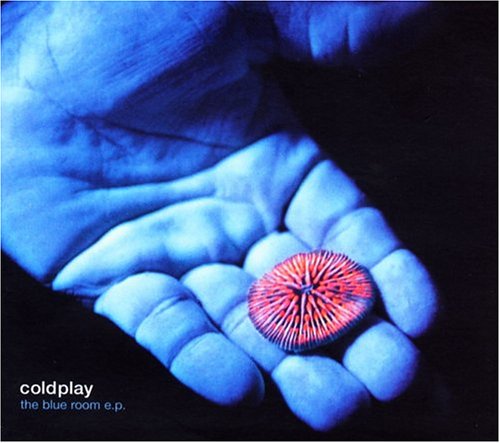
Blue Room


The Belfast Festival started out in the 1960s as a small campus event held at Queen's University in Belfast, Northern Ireland. It was organized by a young student named Michael Emerson. From then on, it continued to earn acclaim that after ten years it started to attract eminent personalities such as Jimi Hendrix, Dizzy Gillespie, Laurence Olivier and Ravi Shankar.

Amid the political upheaval of the 1970s the Belfast Festival helped bring about progressive change in the cultural renaissance of the city, revitalizing its cultural and arts scene. In the 1980s, Michael Barnes assumed directorship of the festival and it was during this time that the festival was expanded into a two-week long celebration. Celebrities like Billy Connolly, Rowan Atkinson and Michael Palin took part in the festivities.

The festival also started to feature performances from the Royal Shakespeare Company and the Moscow State Ballet, among others. The festival is known for its staunch advocacy of local work, paving the way for local artists and performers to be introduced and be recognized by the international community.

The festival brings together the best in theater, classical music, comedy, visual arts, dance, folk and popular music, literature and jazz. Each year, the festival features cultures from many different countries like France, the United States and South Africa.

For 2008 the festival celebrates its 46th anniversary coinciding with the centennial celebration of Queen's University. It will commence with the Ulster Bank Opening Concert on October 17.

Highlights from past Belfast Festivals:

Belfast Festival 2007

Although the 2007 festival was threatened by a scarcity in funding, organizers were able to celebrate its 45th year and once again were able to secure the festival's reputation for bringing out the best that the UK culture has to offer.

The government awarded the organizers a 150,000 pound grant to help cover expenses. The Arts Minister, Edwin Poots also pledged a grant of 300,000 pounds over the course of three years for the festival. Highlights from this year's celebrations include Ute Lemper's cabaret performance, music from the Tiger Lillies, an adaptation of Macbeth and a performance from Raphael Bonachela- a choreographer who works with Kylie Minogue. Other guests include John Prine, The Blind Boys of Alabama, Sean Hughes and Bill Bailey.

Belfast Festival 2006

The Spiegeltent, an art nouveau pavilion that showcased first-rate performances ranging from global musical entertainment to comedy presentations was one of the main features of this year's festival. Another highlight was the performance of Jose Cura, one of the world's leading tenors. In this year's festival, the organizers also presented Crackers, a combination of spectacular fireworks display and musicals as well as other live performances. There were over 15 participating countries in the festival including Somalia, Sweden, Norway, United States, France, Cuba, Spain, Argentina and Russia.

Belfast Festival 2005

This year's festival opened with a concert featuring Marianne Faithful along with the Ulster Orchestra. Other noted performance was that of Lithuanian production of Romeo and Juliet, an adaptation of A Clockwork Orange and traditional Irish music from the band, Dervish.

For accommodation in Belfast please visit: BelfastHotels.me.uk. For more options HotelsBelfast.org.uk

ballroom dance music

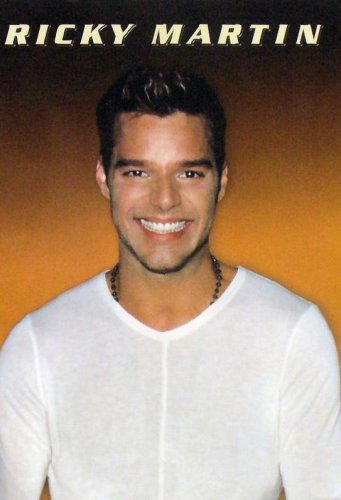
Ricky Martin La Vida Loca Hot Latin Art Poster Print - 24" X 36"

We bring you the best selection of Movie Posters, Music Posters, Sports Posters, Art Prints, Television Posters, College Humor, and more! This is the premier destination for finding entertainment posters. Find authentic movie advertisements, increase your celebrity photo and poster collection, locate that missing pop idol piece you need to complete your set, or discover rare concert sheets from your favorite musicians and bands. Whether its that one rare framed art print youve been looking for, or you need to wallpaper your dorm room with the hottest, sexiest posters, this is the place to find everything. Brand new, perfect condition, fast shipping! Buy from the best!!!


Seventies themed parties can emphasize the importance that dance music and the popular "hustle" and its many variants played in popular culture. White suits and dance costumes were common place while platform shoes were the rage. One possible craft for seventies party goers is to make crepe paper boutonnires and corsages.

These will be the perfect compliment to any dance party. Various paper flower colors or shapes can be chosen. Working with crepe paper allows for stretching and molding the shapes of flower petals. For roses, cut long strips the width of the desired flowers. Use pipe cleaners covered in crepe paper or floral tape. Roll the strips around the top of the pipe cleaner stems. Press the center of the flower into the bell shape of a furled rose. Curl the top edges of the rose petals under slightly.

Cut enough rose petals to show off the roses. Press these into the stems under the tape. Cluster as many roses as needed into a corsage or use a single rose for a boutonnire. Wrap the stems together with floral tape or ribbon. Tie a ribbon into a bow under the flowers to the front of the boutonnieres. Secure these with floral pins.

Some other kinds of flowers can be made about the same way. Carnations can be fashioned from the same materials. The serrated tops of pedals can be cut with paper edging scissors found in the scrap booking section of craft stores. Those who are artistically inclined may be able to create gorgeous orchids or chrysanthemums from the right crepe paper colors. Craft stores will probably have lots of preformed flower parts in the wedding section to help in making these more realistic. Stems, stamens or petals can be purchased in bulk.

Have fun staying alive seventies style!

Mrs. Party... Gail Leino takes a common sense approach to planning and organizing events, celebrations and holiday parties with unique ideas for Seventies party supplies and fun Seventies party games She explains proper etiquette and living a healthy life while also teaching organizational skills and fun facts. The Party Supplies Hut has lots of party ideas with hundreds of free holiday printable games and free birthday party activities. Over 100 adorable Themes including Seventies Party Supplies to fit your birthday celebration, holiday event, or "just because" parties. Party themes include cartoon characters, sports, movie, TV shows, luau, western, holidays, and unique crazy fun theme ideas.

90's dance music

Violet Hill

French only physical CD release of the first single lifted from the British band's 2008 album Viva La Vida Or Death And All His Friends. Features 'Violet Hill' plus 'Lost?'. EMI. 2008.
Customer Review: Harder Coldplay
There is no doubt the feeling of Coldplay's deep and soulful style that has shown to keep up with the times. This time around, on the groups' latest single, Voilet Hill, the first single from the upcoming album from their upcoming album Viva La Vida, shows a much harder and darker edge to Chris Martin and the band's deep alternative following. The song is very eye-popping, but still shows that Coldplay has kept making good songs, after the massive success of X & Y and A Rush Of Blood To the Head. I definitely know this song beats other songs like the so-called American Idol winner David Cook's Time Of My Life, and other songs that are downloadable. I hope the upcoming album is worth it for Coldplay fans. Violet Hill already is a mountain. Song: B
Customer Review: Can't ever go wrong with Coldplay
It was a relief to see Coldplay still has it after all the years of silence! Great song.


Singing lessons are very useful for those of us who love to sing and would like to improve our vocal technique as well as our overall pitch and rhythm sense. However, some singing students may be a little overwhelmed whenever they attend lessons, and may not know how to best make use of the time that they have with their vocal coach or singing instructor!

Here are some important tips for all singing students, so that you will be able to make the most out of your singing lessons, and be able to improve quickly in your singing and vocal technique:

Get A Good Vocal Coach

For your vocal lessons to be genuinely useful to you in developing a better singing voice, you will need an experienced vocal coach who is able to 'diagnose' your voice and know exactly what exercises you will need in order to improve your singing! For example, you may need more exercises to strengthen your chest voice, or more pitching or rhythm training, or even some basic lessons in pronunciation and diction. Your vocal coach should be able to tell you what you need, and be able to communicate these ideas to your clearly!

Always Come Prepared For Lessons

Every singing lesson is an opportunity for you to talk to an expert in singing and to learn as much as you can from your vocal coach! So, always come prepared with questions that you may have had during the past week or are genuinely curious about. This will show your vocal coach that you are motivated about learning how to sing, and he or she will be more inclined to teach you even more! Your instructor will also be able to understand better what are your main concerns and how best to answer them so that you will be able to improve even more!

Practice, Practice and More Practice

Make sure you practice whatever vocal drills or pitching exercises that your singing instructor has given you during the singing lessons. Learning how to sing is just like learning how to play any musical instrument, and as with any instrument, practice is absolutely essential if we want to improve in our playing or singing skills! Also, pay attention to how you practiced during your lesson with your vocal instructor so that when you practice at home, you know how to do it correctly and certainly not inadvertently harm your voice during your self-practice!

Be Patient

Learning how to sing well takes some time and effort, and certainly does not happen overnight. Just like how it takes a piano player many years before he or she is able to be great at playing the piano, so it will also take us a certain period of time before we are able to master our singing voice! Even professional singers take regular singing lessons to keep their voices in top form, and to keep improving in their vocal technique!

One reason for a longer learning curve is because our voice learns through what we call 'muscle memory'. Many of the functions of our vocal cords and voice box are involuntary reflexes that we cannot control consciously. In order for us to correct our singing habits, we need to practice positive reinforcement through muscle memory, using the correct singing methods often so that our voice and our brain remembers them and uses them each time we sing!

Enjoy The Learning Process

One great thing about singing is that it is fun and enjoyable even during proper lessons, and we would certainly be able to enjoy the learning process that we must go through in order to get a better singing voice! Once we accept the long learning process, we will certainly be more relaxed during our lessons and be able to improve our voice even more! It is a virtuous cycle that singing students will be able to benefit from with the correct mindset and attitude.

With these important pointers in mind each time we attend our singing lessons, we will certainly be able to get the most out of our lessons and achieve a great singing voice through practice and patience!

Singapore-born Aaron Lim has been a Vocal Coach for the past 8 years, and has taught a variety of vocal students ranging from teenagers to mature adults. He is the founder of an online singing guide: http://www.your-personal-singing-guide.com , which provides a wealth of resources and tips available for any singer! Find out everything you want to learn about singing from this useful and comprehensive website!

Aaron is also the director of Intune Music School, a dynamic and vibrant music school in Singapore that provides professional music programmes in singing, songwriting, keyboard and guitar sing and play, music arrangement and audio engineering! Find out more by visiting the school website at: http://www.intunemusic.com.sg

latin music downloads